
13 September 2024 - Technological advances provide opportunities for the creation of new jobs for poverty alleviation for the younger generation. The utilization of technology can be applied to creative economic business activities carried out by the younger generation in various regions. There is innovation and creativity that can be carried out by utilizing technology to develop the regional creative economy. In order to support the development of the creative economy sector at the regional level, a research team from the State University of Malang (UM) visited various institutions in Madiun Regency and District Kediri. This research is a strategic collaboration between Regional Research and Innovation Agency of East Java Province (BRIDA) Jatim and UM research team consisting of several experts in their fields. Led by Prof. Dr. Imam Mukhlis, SE, M.Si from the Faculty of Economics and Business (FEB) lecturer of the Department of Development EconomicsThis team is also accompanied by Prof. Dr. Muhammad Alfian Mizar, M.P from the Faculty of Engineering (FT), Maria Hidayati, M.Pd., Ed.D. from the Faculty of Letters (FS), and Dr.Devi Oktabrianti A.W and Agung Nugroho,MPd.
This visit involved a number of important agencies such as the Madiun Regency Manpower Office, Regional Planning and Development Agency, Research and Innovation. area (Bappperida) Madiun District, the Madiun District Vocational Training Center (BLK), and the Tourism Office. and Culture Kediri District and the Cooperative Office and Micro Business of Kediri District. The main purpose of this visit was to evaluate various initiatives, policies, and programs that have been carried out by the local government in order to encourage the capacity of the millennial generation in the creative economy sector.
During the visit to Madiun District, the research team conducted in-depth interviews and direct observation of various programs run by the Manpower Office, Bappperida, and BLK Madiun District. The Manpower Office described various training and certification programs designed to prepare young workers to enter an increasingly competitive job market. Bappprida outlined their strategic plan in supporting the creative economy sector through policies that encourage innovation, while BLK demonstrated their role in providing practical training and technical support to the younger generation.
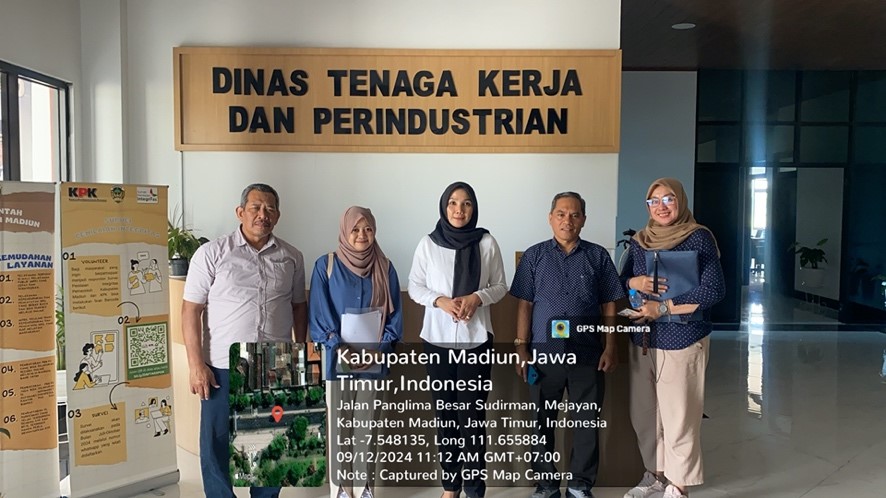
Photo 1. Activities at the Department of Labor and Industry Madiun Regency
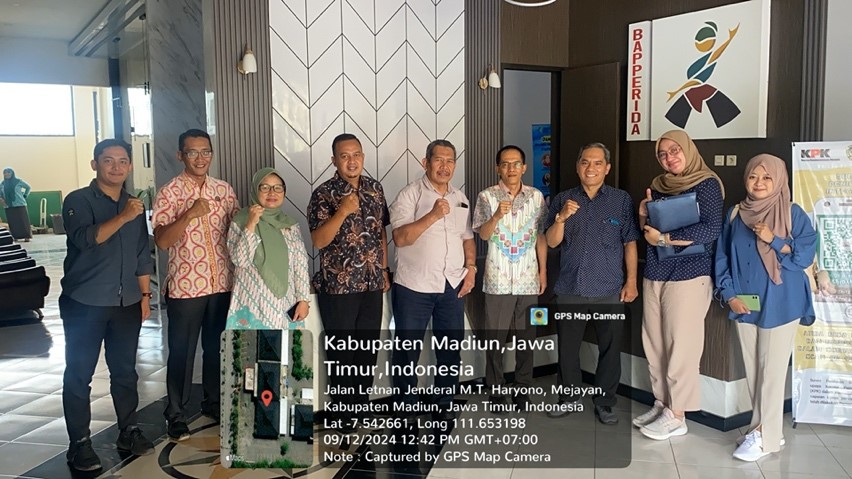
FGD activity at Regional Planning and Development, Research and Innovation Agency (Bappperida) Madiun Regency
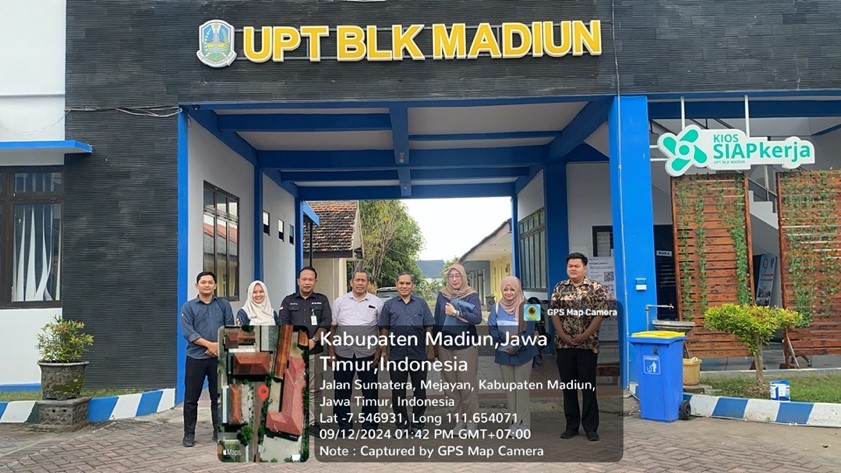
Photo 3. FDG at Madiun Regency Job Training Center (BLK)
Tourism Office and Culture of the Regency Kediri also explained their various initiatives in developing local tourism destinations that have the potential to support the creative economy sector. They explained their efforts to promote culture and nature-based tourism, as well as collaboration strategies with creative economy actors, such as local artists and craftsmen, to create unique tourism experiences and bring added economic value to local communities. Meanwhile, the Kediri District Cooperative and Micro Business Office emphasized their important role in supporting the development of micro and small businesses in the creative economy sector. They explained their various cooperative and micro-enterprise empowerment programs, including access to business management training, and digital capacity building. In addition, the office is also committed to facilitating market access for micro-enterprises so that local creative products can compete in a wider market, both regionally and nationally.
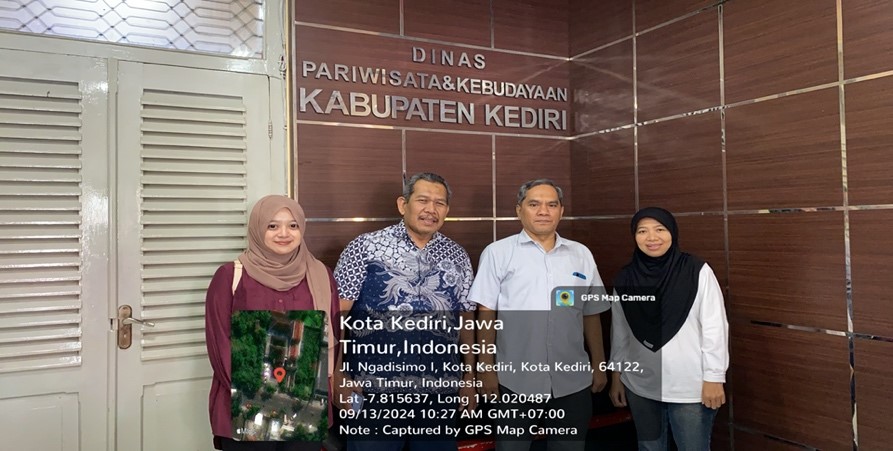
Activities at the Tourism Office and Culture Kedir Regencyi
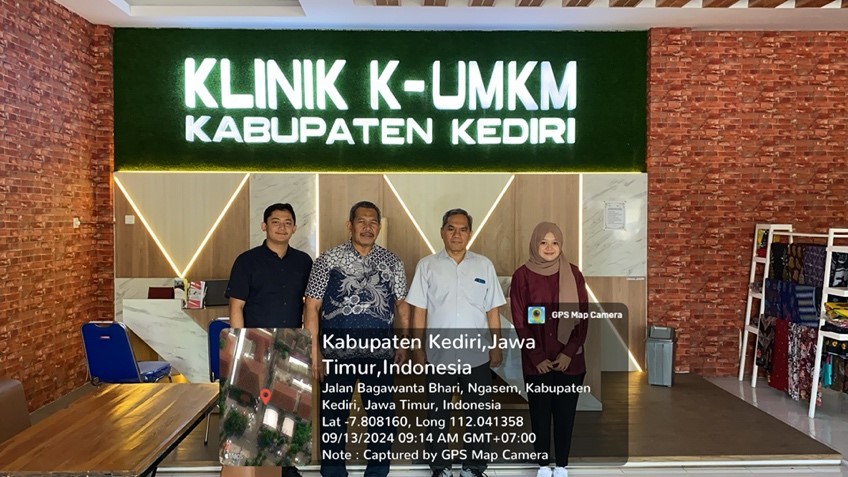
Photo 5. FGD in Kediri District Cooperative and Micro Business Office
This collaboration is expected to provide in-depth insight into the effectiveness and impact of existing programs, as well as formulate recommendations for further development. The findings of this research will be an important evaluation material in improving the quality and effectiveness of policies and programs that support the creative economy sector in Madiun District and Kediri District. With the support and cooperation between relevant parties, including BRIDA Jatim and State University of Malang, it is hoped that Madiun District and Kediri District can further develop as centers of excellence in the creative economy sector, creating more opportunities and innovations for millennials in the area.