Malang, August 1, 2024. A delegation from Indonesia led by Prof. Dr. Imam Mukhlis, SE, M.Si, has just completed an official visit to Japan to study the optimization of waste management through Waste Management Sites with the Principle of Reduce, Reuse, and Recycle (TPS3R). This activity is the implementation of activities from the pilot Center for Excellence in Circular Economy Science and Technology at the Faculty of Economics and Business, State University of Malang. The visit, which took place from July 26 to July 31, 2024, included various activities that focused on the application of circular economy concepts and research collaboration in the field of waste management.
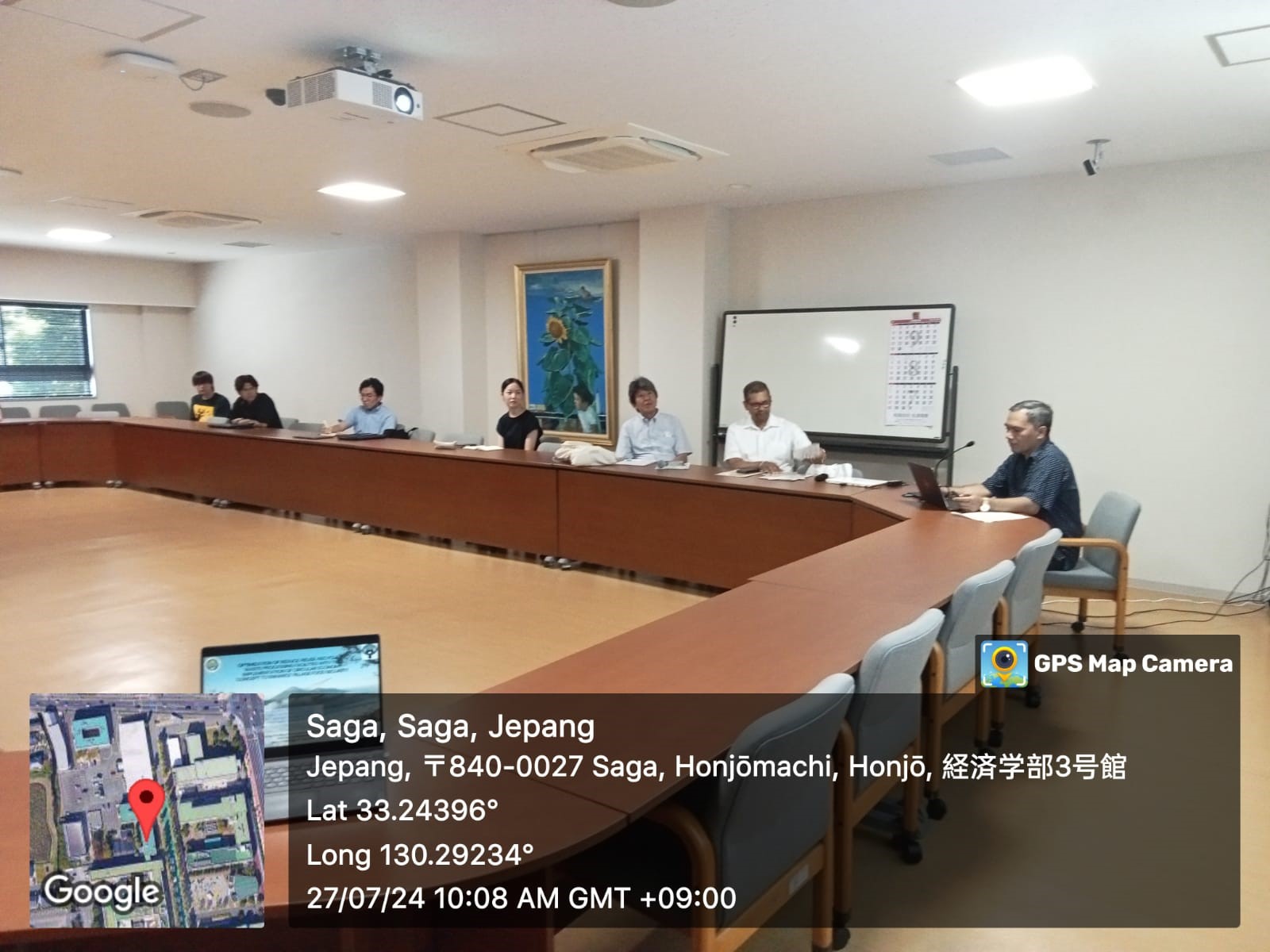
Image: Presentation of Material by : Prof.Dr.Imam Mukhlis, SE, MSi
Center for Excellence in Circular Economy Faculty of Economics and Business, State University of Malang
One of the main activities of the visit was observation and analysis at two major TPS3R sites, namely Eco Plaza Saga City and Recycle Center Omuta City Japan, which took place on July 26 and 29. At these two locations, the delegation consisting of Prof. Dr. Imam Mukhlis, SE, M.Si, Economics Education doctoral student Inaya Sari Melati, and Devi Oktabrianti A.W. made in-depth observations of the waste management process which is known to be very effective and efficient in Japan. They saw firsthand how TPS3R implements the principles of reduce, reuse, and recycle to reduce the volume of waste going to landfills.
On July 27, Prof. Dr. Imam Mukhlis had the opportunity to be a guest speaker in a Circular Economy seminar with Tanaka Yurika, an alumnus of Saga University. This seminar discussed the importance of the circular economy concept in overcoming waste problems in Indonesia.a. This concept not only helps reduce waste but also improves resource use efficiency, an important lesson that is highly relevant to be implemented in Indonesia, including in rural areas.
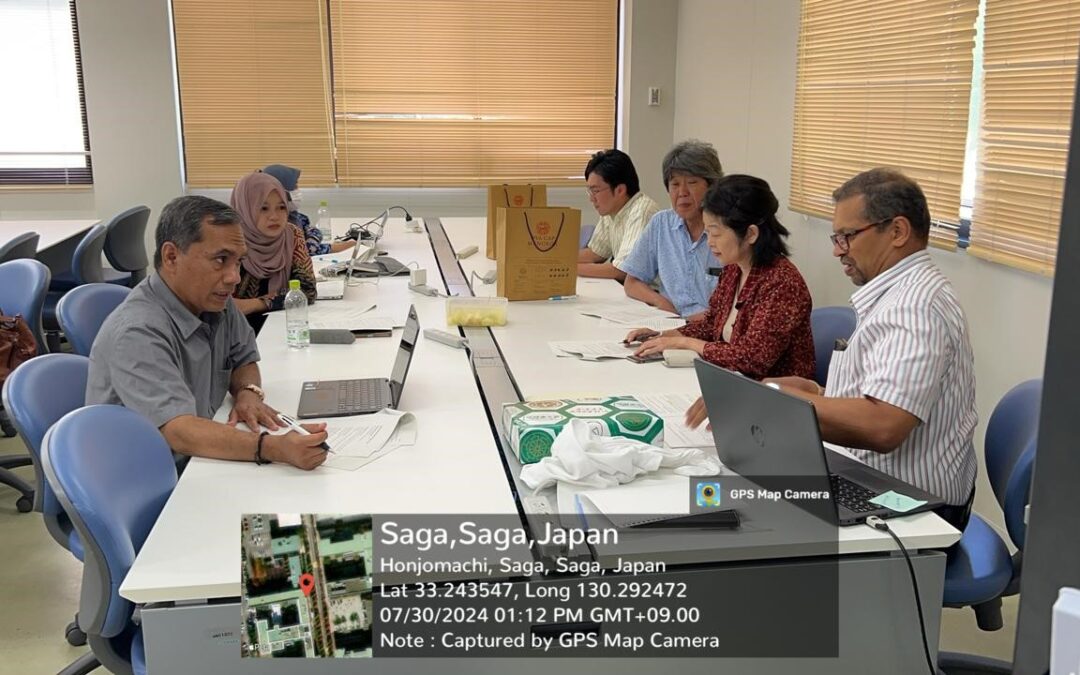
Subsequently, the delegation held Focus Group Discussion (FGD) with the Dean of the Faculty of Economics of Saga University, Prof. Hiroshi Haneishi, as well as several other lecturers such as Prof. Saliya De Silva, Prof. Hirokazu Nakamura, Prof. Chizuko Hayakawa, and Dr. Shinsuke Asakawa. This discussion aims to delve deeper into the implementation of successful waste management in Japan and its potential adaptation in Indonesia. Through this discussion, it is hoped that the right strategy can be found to overcome waste problems with various characteristics of cities and villages in Indonesia.
The highlight of the visit was the signing of a cooperation agreement between the Indonesian delegation and Saga University for future research and education collaboration. This agreement is expected to strengthen the relationship between the two countries and accelerate the implementation of sustainable waste management in Indonesia. In addition, this collaboration also opens up opportunities for the development of educational programs that focus more on environmental management and waste management.
This visit marks an important step in Indonesia's efforts to address the issue of municipal waste through a more innovative and sustainable approach. By adopting circular economy principles, Indonesia can reduce the volume of waste that ends up in landfills, conserve natural resources, and create new economic opportunities through material reutilization. Support from various parties and international collaborations like this are expected to have a significant positive impact on society and the environment in Indonesia.
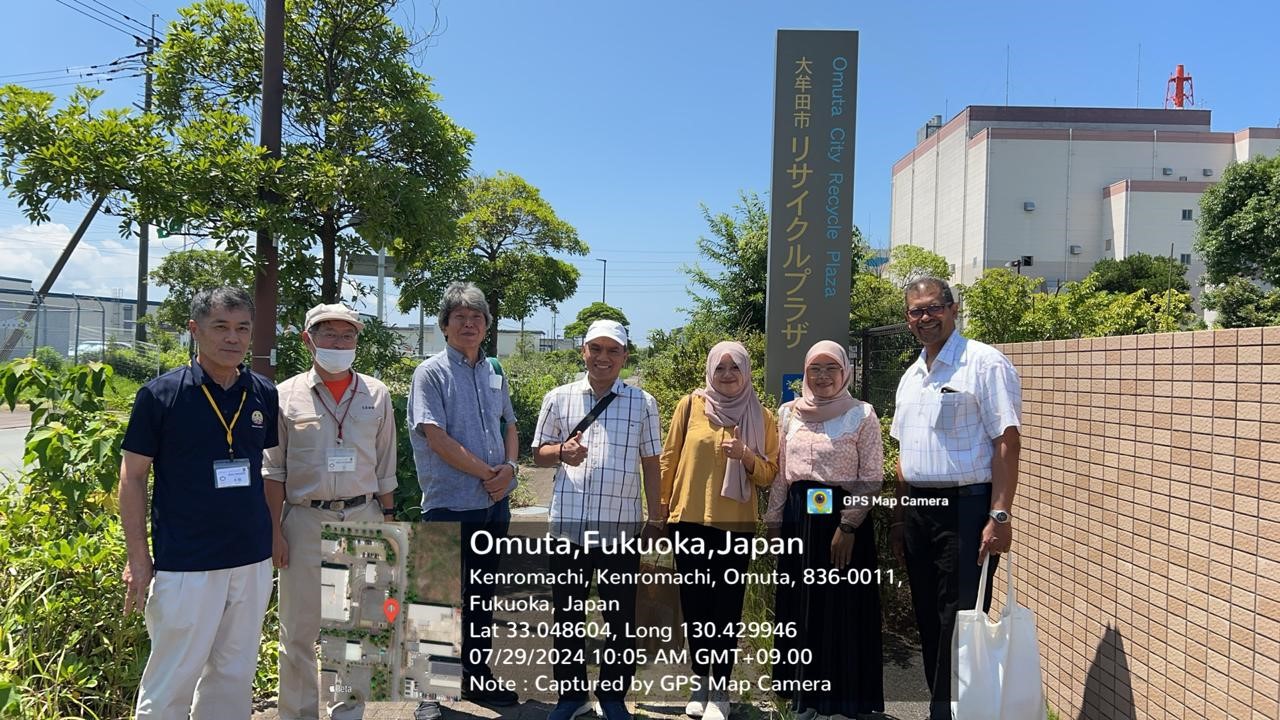
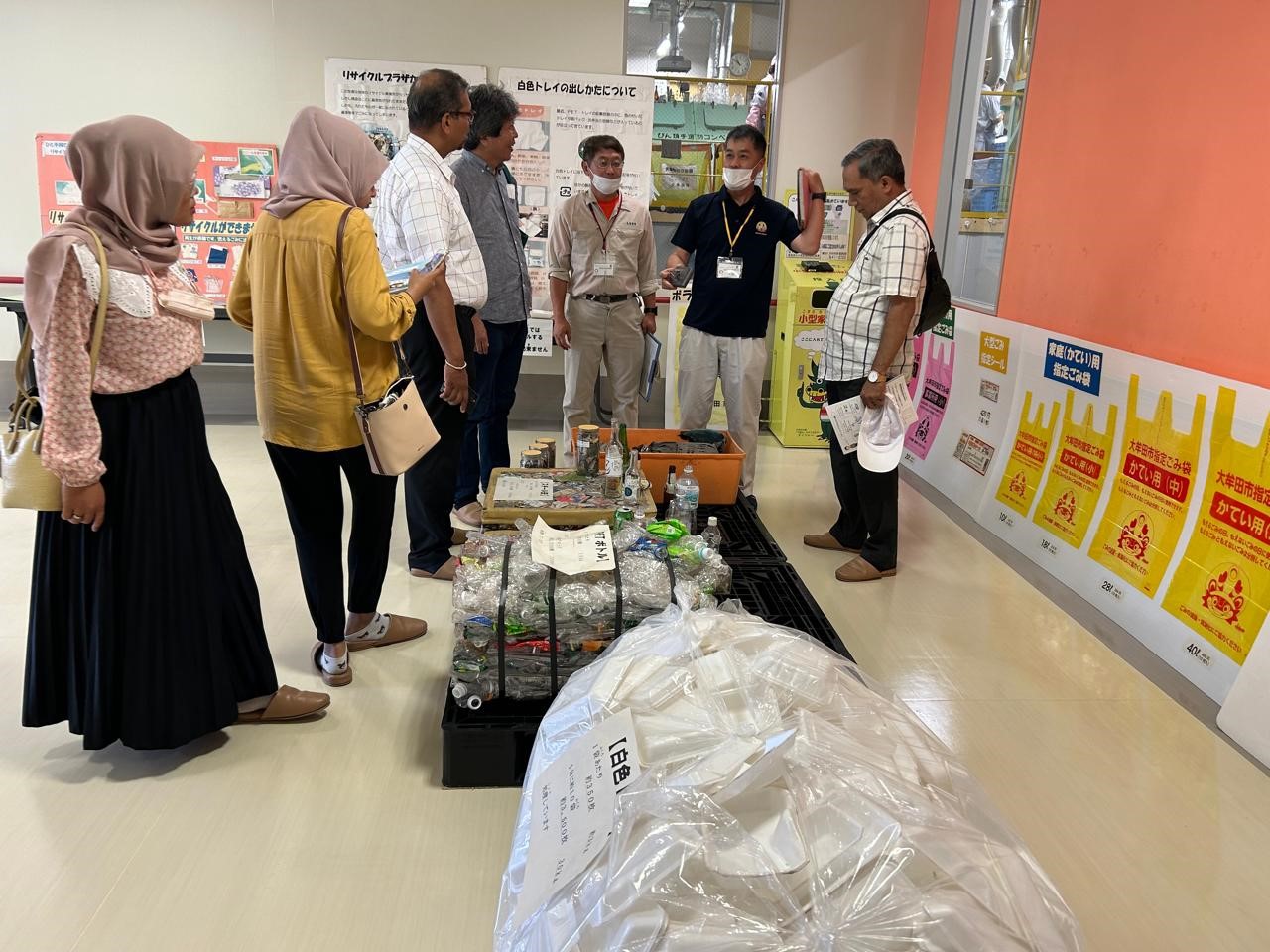
Image:
Observation of Circular Economy Activities in Omuta, Japan
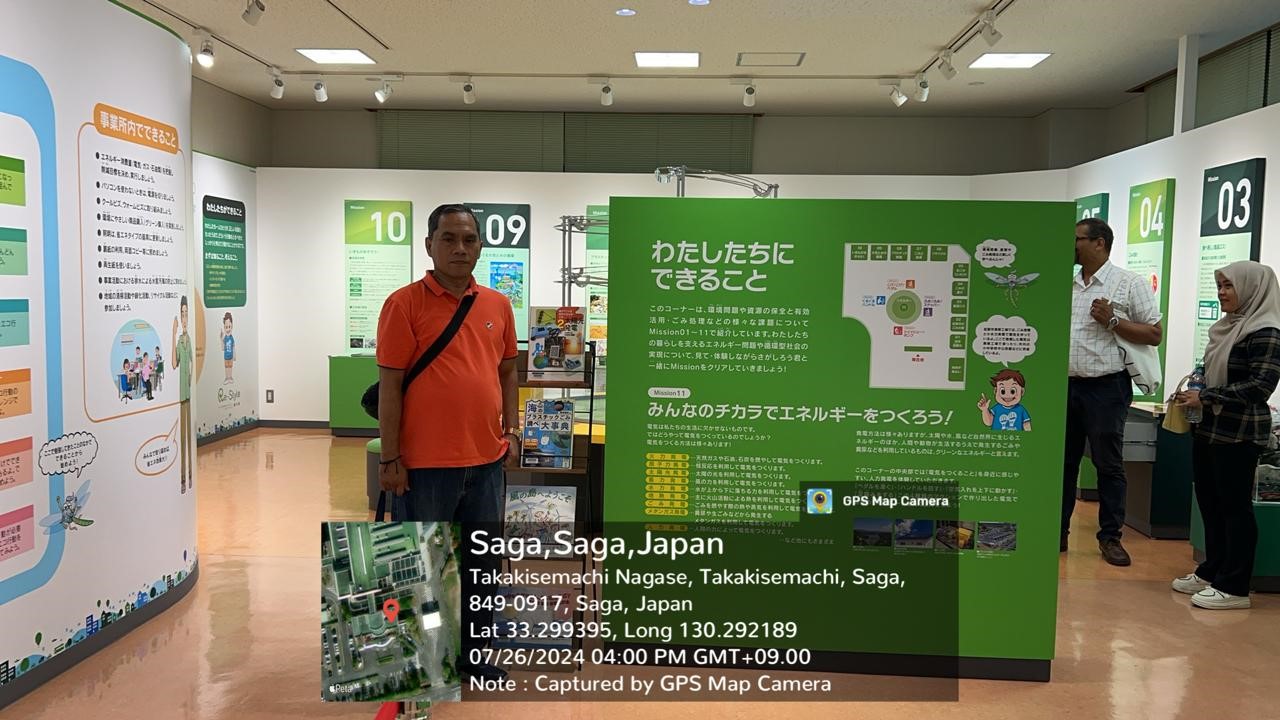
Image:
Circular Economy Observation at Saga Eco Plaza, Japan
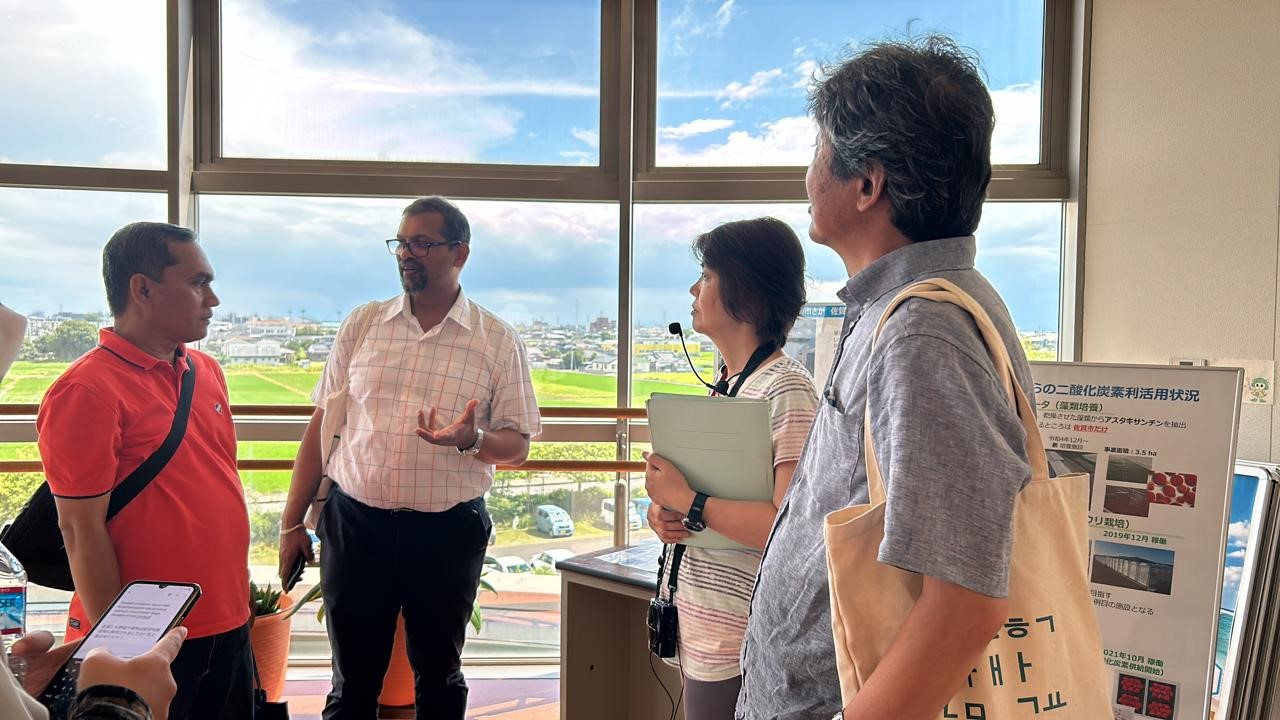
Image:
Explanation of the Application of Circluer Economy in Saga City, Japan
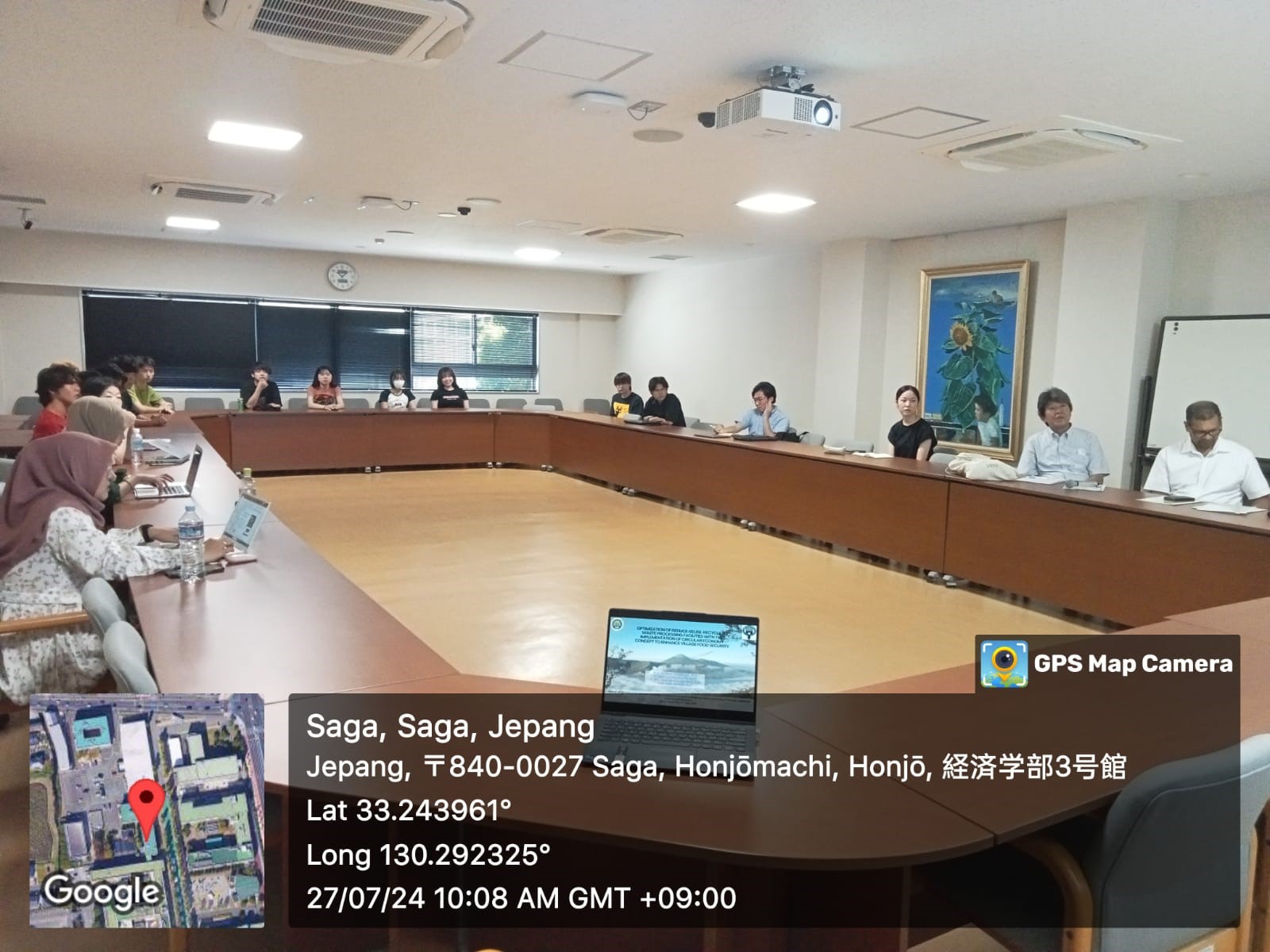
Image: Discussion on Circular Economy and Food Security
Faculty of Economics, Saga University, Japan
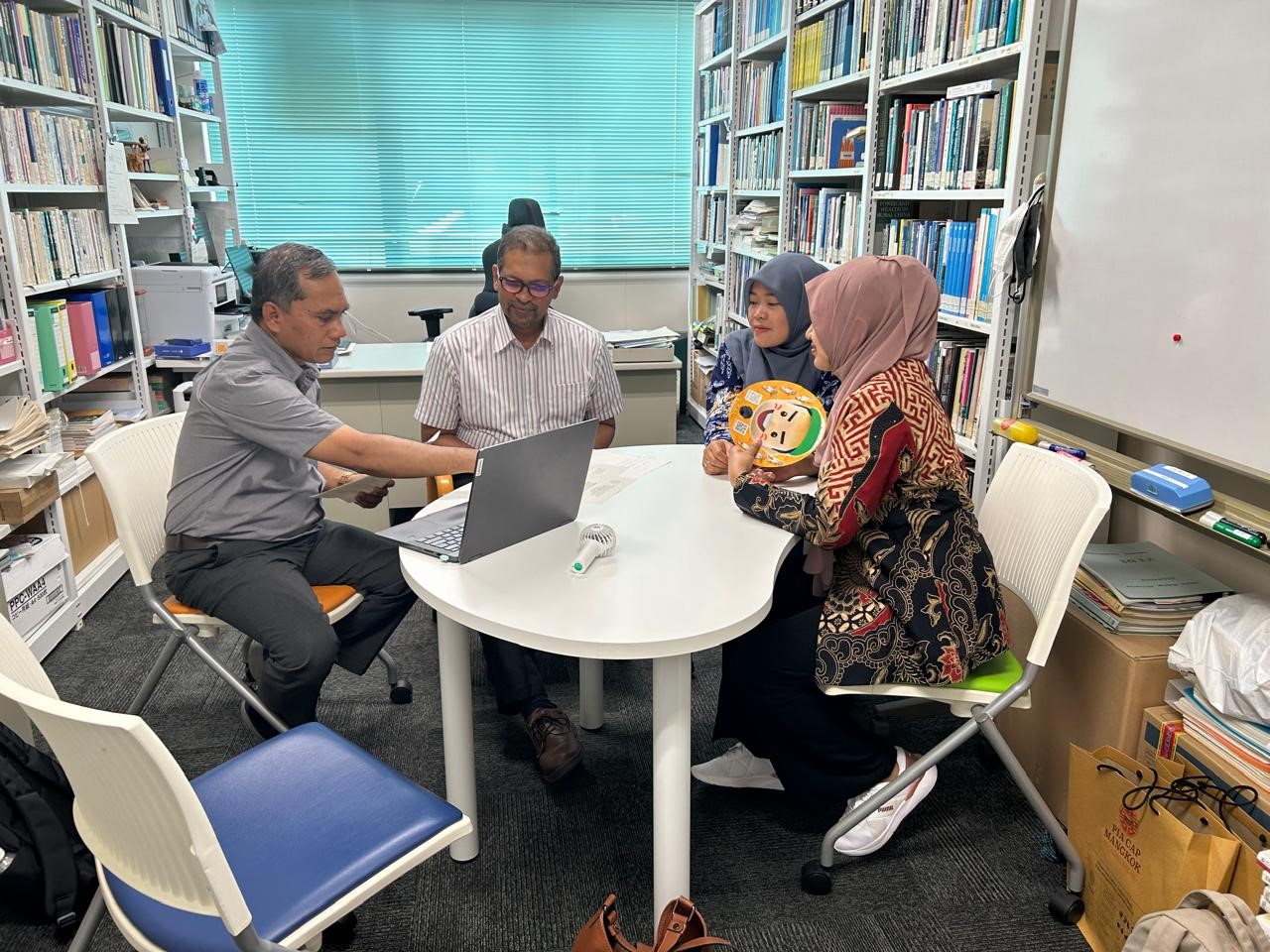
Image: Discussion of Research Instruments
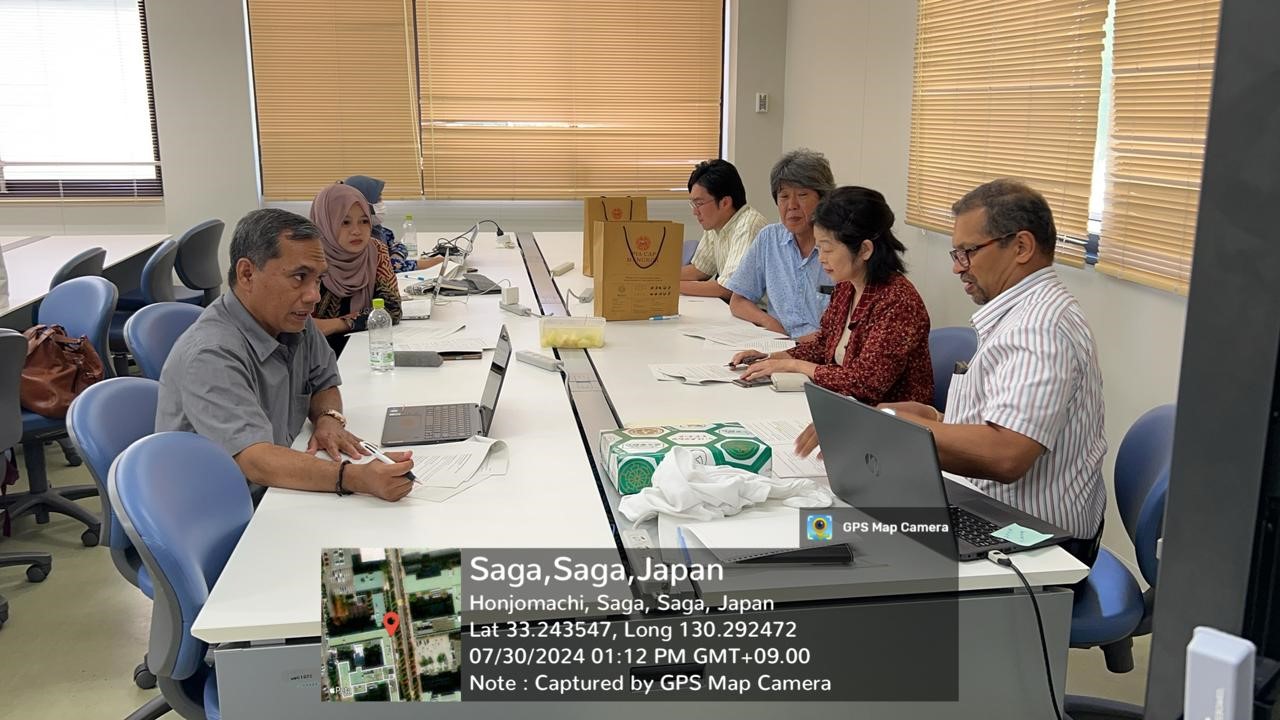
Image:
Research Proposal Presentation