
In commemoration of World Environment Day which falls on Thursday, June 5, 2025, the Faculty of Economics and Business (FEB), State University of Malang held a series of environmental action activities which carried the spirit of Sustainable Development Goals (SDGs). This activity involved all faculty leaders ranging from the Dean, Deputy Dean, Head of the Department of Development Economics, Management, and Accounting, all Study Program Coordinators, Head of Laboratories, to education staff. With the theme "Green Campus for a Sustainable Future", this activity aims to increase the collective awareness of the academic community in maintaining a healthy and sustainable campus environment. This action is also a form of real implementation of SDGs Goal 11 (Sustainable Cities and Communities) and Goal 13 (Climate Action). FEB UM shows its leadership in supporting the transformation of higher education oriented towards sustainable development.
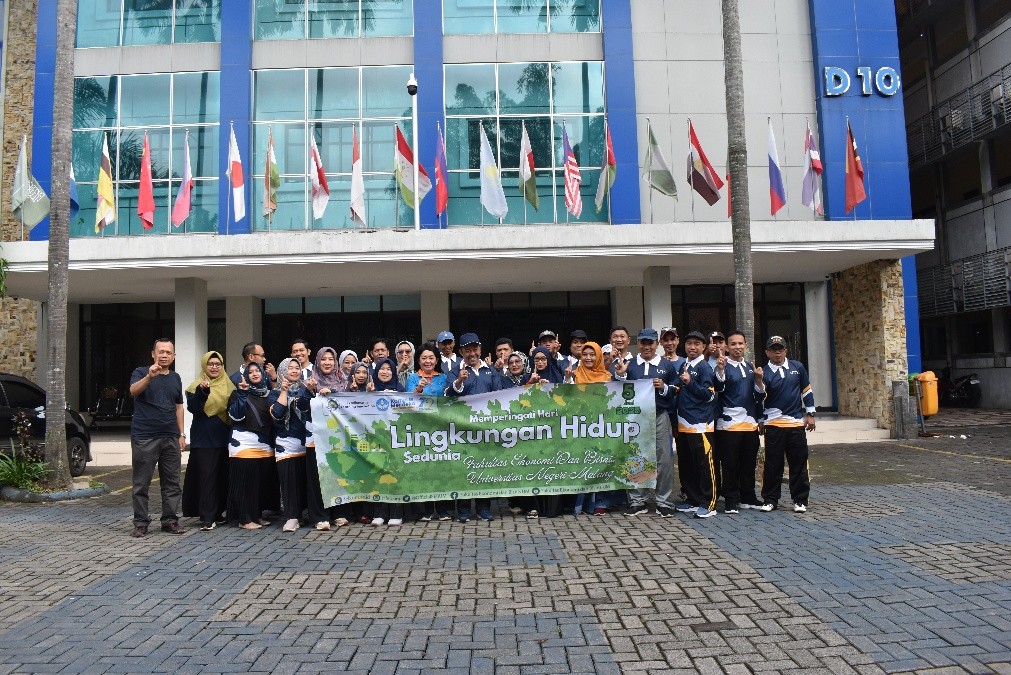
Figure 1. FEB UM Commemorates World Environment Day
The activity began with cleaning up the campus environment which focused on the garden area, hallways of lecture buildings, and green open spaces in the FEB environment. Faculty leaders and all participants worked together to clean up trash, trim wild plants, and beautify the campus pedestrian path. This action not only created a clean and orderly environment, but also became an educational vehicle for the entire community to practice the value of togetherness and ecological responsibility. Campus environmental cleanliness is an integral part of achieving SDGs Goal 3 (Good Health and Well-being) because a healthy environment supports an optimal teaching and learning process. With active involvement from all elements of the faculty, this activity symbolizes harmonious cross-functional collaboration in building a sustainable campus.
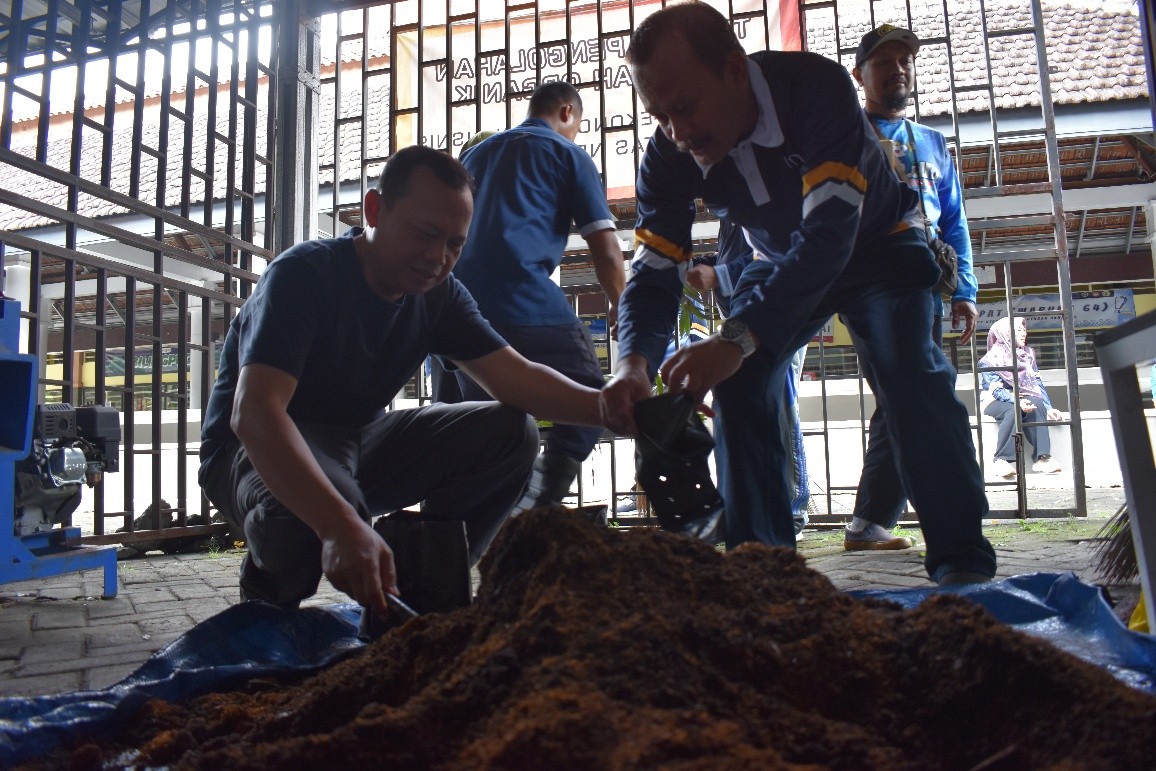
Preparation of Ornamental Plant Media with the Concept of Circular Economy
Furthermore, the activity continued with the planting of ornamental flowers at several strategic points of the faculty garden which is now a visual and educational conservation area. The types of ornamental plants planted include moon orchids, chrysanthemums, bougenville, and paris lilies which were chosen because they are adaptive to the tropical climate and contribute to creating a beautiful landscape. The planting was done symbolically by the Dean of FEB, followed by all department heads and study program coordinators as a form of commitment to campus aesthetics and sustainability. In addition to beautifying open spaces, this initiative also supports the achievement of SDGs Goal 15 (Life on Land) in the context of urban greenery and preservation of local vegetation. The faculty garden is now an educational space that also serves as a reflective space for students and lecturers.
The next activity that is no less important is hydroponic nursery which is carried out in the FEB UM green house area. With a modern agricultural approach, vegetable seeds such as lettuce, spinach, and kale are grown using a floating raft system and NFT (Nutrient Film Technique). Laboratory staff and lecturers from across departments were directly trained on hydroponic growing media maintenance and management techniques. This innovation is a cross-disciplinary learning tool that integrates aspects of green economy with appropriate technology, in line with SDGs Goal 12 (Responsible Consumption and Production). In the future, the hydroponic harvest is planned to support the campus healthy canteen and community-based food sustainability program.
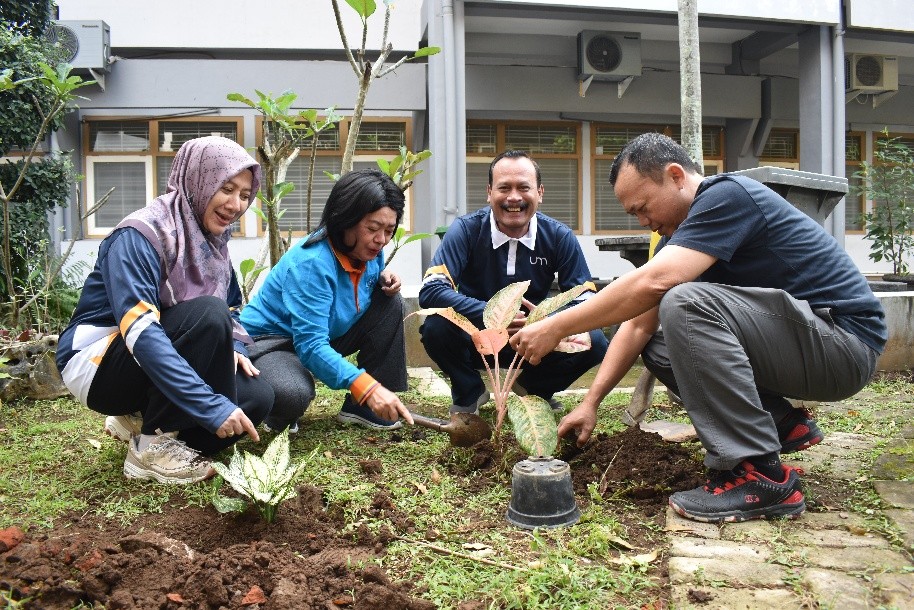
Planting Ornamental Plants in the UM FEB Park
Not only focusing on sustainable food production, FEB UM also initiated an organic waste processing initiative involving aerobic composter and takakura methods. Organic waste from canteen food waste and garden leaves is collected and processed into compost which is then used to fertilize plants around the faculty. In this practical session, education personnel are trained to understand the basic principles of recycling and domestic waste management. This program supports the achievement of SDGs Goal 6 (Clean Water and Sanitation) and Goal 13 through reducing carbon emissions from organic waste decomposition. FEB UM is not only a place to learn, but also a place to be living laboratory in sustainable waste management.
The Dean of the Faculty of Economics and Business, State University of Malang, Dr. Hadi Sumarsono, S.T., M.Si., expressed his appreciation for the collaborative spirit of all elements of the faculty in the success of this activity. He emphasized the importance of integrating ecopedagogy values in higher education so that FEB graduates not only excel in academics, but also have social and ecological sensitivity. This activity is expected to become an annual routine agenda and become a model of good practice for other faculties within the State University of Malang. He also said that the faculty is designing a Green Economics Curriculum which will incorporate sustainability issues in core courses and practicums. This commitment strengthens FEB's position as a pioneer of SDGs-based green campuses in Indonesian higher education.
In closing, all participants in the activity took a group photo while carrying the results of plant nurseries and ornamental flowers as a symbol of sustainability and hope for a greener future. Apart from being a symbolic activity, the commemoration of World Environment Day at FEB UM this year reflects a holistic approach that combines education, real action, and integration of SDGs values. With the spirit of mutual cooperation and inclusive leadership, FEB UM continues to show that sustainability is not just a slogan, but a living academic culture. A green campus is a mirror of a clean mind, a healthy environment, and a resilient future (Dell).
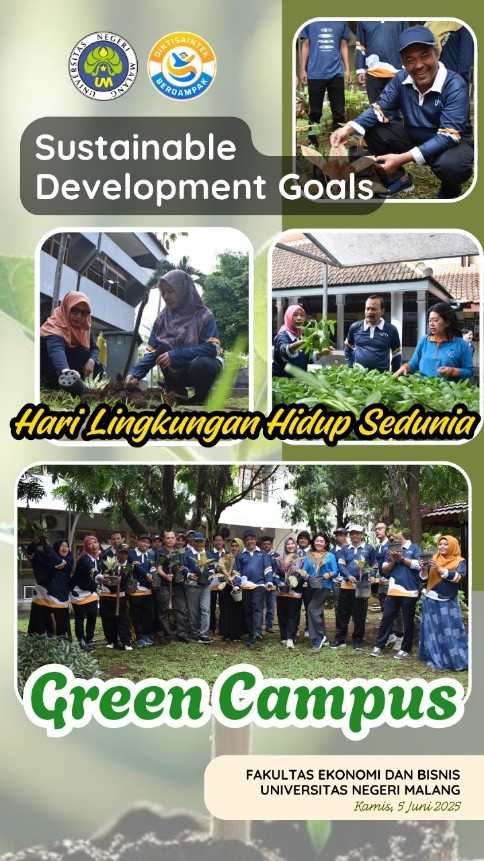
Figure 4. Documentation of Commemorative Activities Environment Day Seworld